WatchGuard Floor — One-Day Polyurea Floor Systems
OR-621 basecoat and OR-55 topcoat build a seamless, chemical-resistant floor that goes down in a day and takes traffic the next morning. Decorative flake for garages and showrooms, industrial build for warehouse aisles and plant floors. Concrete Mender handles the slab underneath. Available private-labeled for floor coating crews and distributors.
Get Floor System PricingWhy Crews Are Moving Off Epoxy
The Whole Floor in One Day
Grind in the morning, basecoat and broadcast by midday, topcoat in the afternoon. The customer walks on it the next morning and parks on it shortly after. A traditional epoxy build spreads that same floor across three days of return trips.
It Does Not Yellow or Chalk Out
Epoxy in a garage with a south-facing door turns amber within a couple of seasons and the customer remembers who installed it. OR-55 is a UV-stable topcoat — the floor looks the same in year four as it did on the walk-through.
Flexible Enough to Live With Concrete
Concrete moves. Epoxy is rigid and cracks with the slab; polyurea has the elongation to bridge hairline movement instead of telegraphing it. That difference shows up as callbacks or the absence of them.
Installs in Cold Weather
Fast-cure chemistry keeps working when the shop is at 45°F and epoxy has stopped being an option. In the northern half of the country that turns floor coating from a seasonal business into a year-round one.
Floors This System Is Built For
Residential through heavy industrial — same core system, different topcoat and broadcast.
- Residential garage floors
- Warehouse & distribution aisles
- Auto & truck service bays
- Showrooms & retail floors
- Commercial kitchens
- Food & beverage plant floors
- Basements & rec rooms
- Aircraft hangars
- Locker rooms & wash bays
- Patios, walkways & pool decks
The WatchGuard Floor System
Prep, base, broadcast, finish. Everything from one manufacturer.
What an Install Day Actually Looks Like
7:00 am — grind. Diamond grinder with dust collection across the full floor, edger around the perimeter and under the toe kicks. Target CSP 3–5. Vacuum, then vacuum again.
9:00 am — repair. Concrete Mender into cracks, spalled control joints, and popouts. On a two-car garage this is usually twenty minutes. On a warehouse bay it is the longest part of the morning.
10:30 am — basecoat. OR-621 goes down. If the floor is getting a decorative finish, flake or quartz is broadcast to rejection into the wet basecoat immediately behind the squeegee.
1:00 pm — scrape and vacuum. Knock down the broadcast, remove the loose material, and the floor is ready for finish.
2:30 pm — topcoat. OR-55 clear or pigmented, rolled out. Non-slip additive where the customer wants it or the code requires it.
Next morning — foot traffic. Vehicles shortly after. One mobilization, one crew day, one invoice.
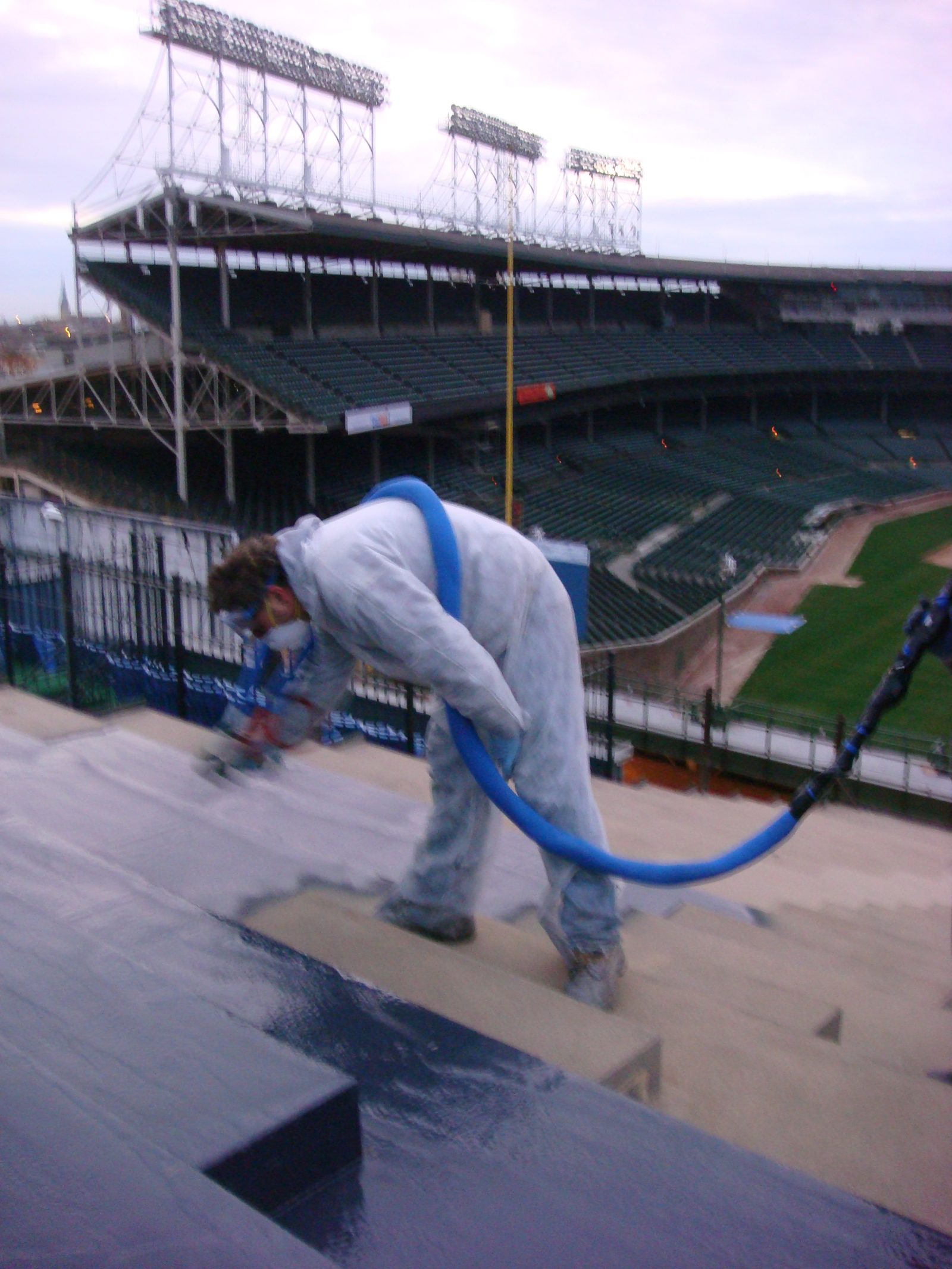
Why the Schedule Matters
The Business Case for Floor Crews
A one-day system is not just nicer for the homeowner — it changes your economics. An epoxy build that takes three partial days means three mobilizations, three setups, and a crew that finishes one floor a week. A one-day system means one setup and a crew that can book five floors a week with the same truck.
Cold weather extends the season. Fast-cure chemistry that installs at 45°F turns a six-month business into a twelve-month one in most of the country. That is the difference between laying off a crew in November and keeping them.
UV stability removes your worst callback. Ambered epoxy under a garage door is a warranty conversation you cannot win, because the customer can see it and you cannot fix it without redoing the floor.
Private labeling changes the sales conversation. A homeowner comparing three quotes cannot tell the products apart and will default to price. A contractor with their own branded system and a data sheet in hand is not in that comparison.
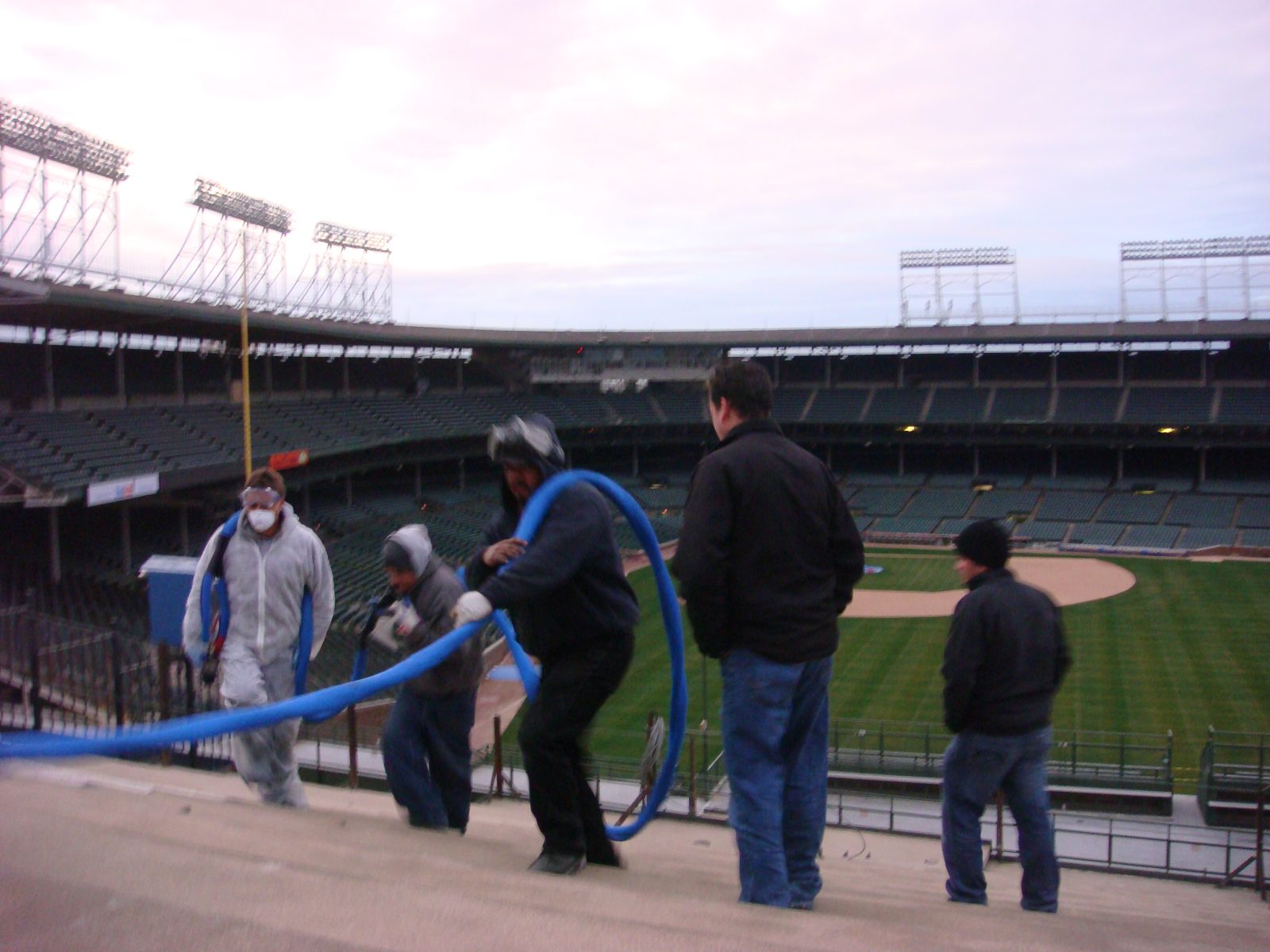
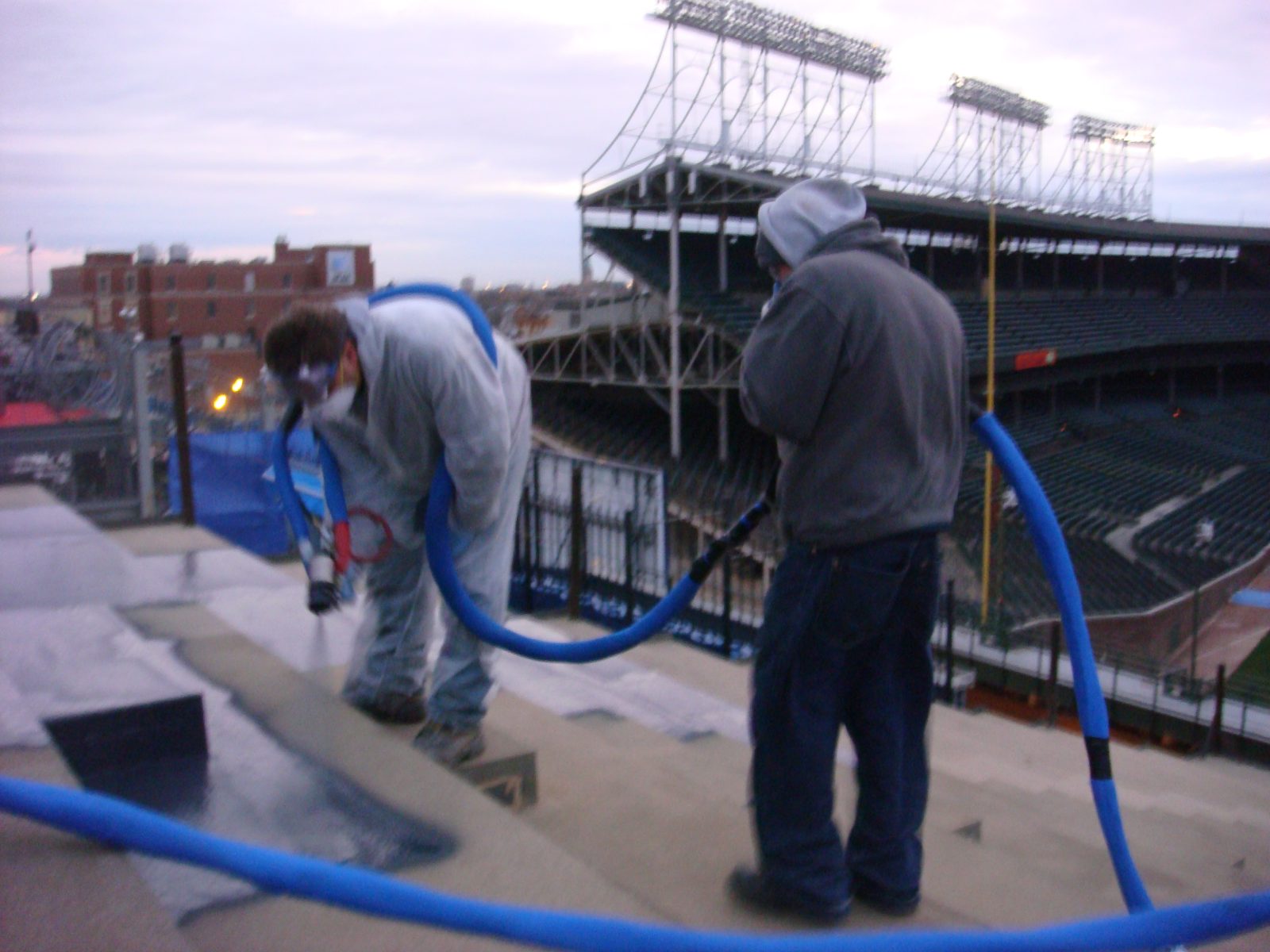
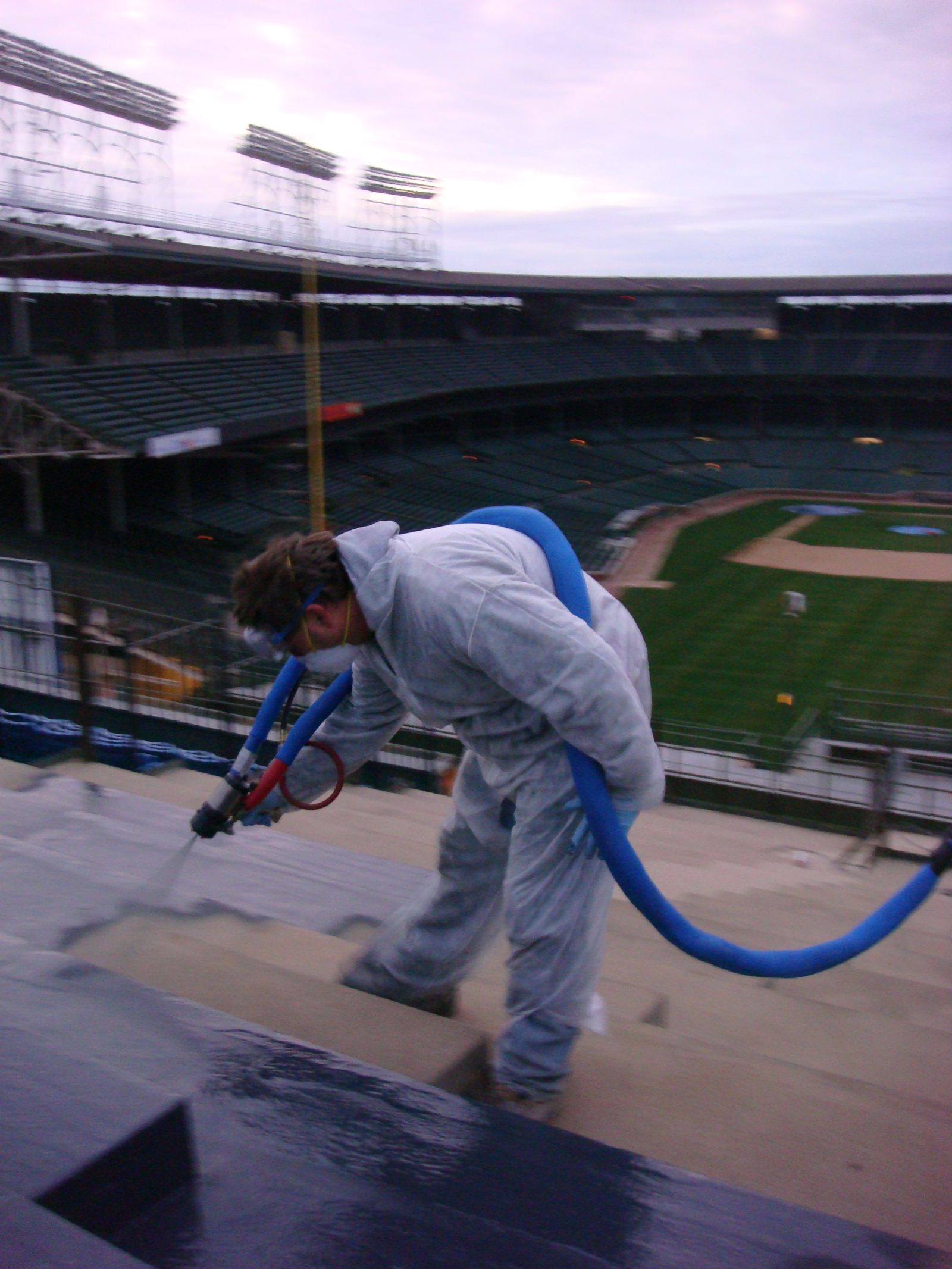
Finished Floors
Running Floors Now, or Adding Them?
Either way, tell us your market and roughly how many floors a month you want to be doing. We will send pricing, the system spec, and what private labeling looks like at your volume.
Get Contractor PricingGet Floor System Pricing
Tell us about your project and we will follow up with product details, technical data sheets, and pricing.
Frequently Asked Questions
Frequently Asked Questions
What floor crews, facility managers, and homeowners ask most.
Polyurea vs. Epoxy
Is polyurea actually better than epoxy, or is that marketing?
It is better at three specific things and those three things happen to be where epoxy floors visibly fail: UV stability, flexibility, and cure speed. Epoxy ambers in sunlight, cracks with slab movement because it is rigid, and needs multiple days and warm conditions. Polyurea and polyaspartic topcoats do not yellow, have the elongation to bridge hairline movement, and install in a day at temperatures where epoxy stops being practical.
Is there any reason to still use epoxy?
Yes — longer working time. Epoxy is more forgiving of a crew that is still learning, and it builds thickness economically in some industrial assemblies. That is why OR-E41 epoxy primer is in the line. For most garage, commercial, and warehouse work, the polyurea system wins on schedule and appearance.
Will the floor turn yellow?
Not with the OR-55 topcoat, which is UV stable. This matters most in the strip inside a garage door and in bays with skylights or glass — those are the areas where an epoxy floor ambers first and where the customer notices.
Will it crack if my slab cracks?
A polyurea system has enough elongation to bridge hairline movement rather than telegraphing it. Existing cracks, spalled joints, and popouts get repaired with Concrete Mender before coating — the coating is not a structural solution and should not be asked to be one.
Preparation & Installation
Can I acid etch instead of grinding?
No. Etching does not produce a CSP 3–5 mechanical profile and it leaves residue that has to be neutralized. Coating bonds to profile. Diamond grinding or shot blasting is the only acceptable preparation, and the edges and toe kicks have to be done too, not just the open field.
Why does moisture testing matter so much?
A slab on grade without a working vapor barrier pushes moisture upward continuously. Coat over it and hydrostatic pressure will lift the system off in sheets, usually several months later when everyone has forgotten the job. Test moisture vapor emission before you quote it — it changes both the price and the assembly.
How long does an install take and when can it be used?
A typical residential garage is a single crew day: grind and repair in the morning, basecoat and broadcast by midday, topcoat in the afternoon. Foot traffic the next morning, vehicle traffic within 48–72 hours. Large commercial floors are done in sections on the same daily cycle.
Can it be installed in cold weather?
Yes, well below the point where epoxy becomes impractical — which is a large part of why crews in the northern tier switch. Substrate temperature and dew point still matter and the working window changes, so tell us your conditions and we will confirm the window rather than guessing.
Finish, Equipment & Pricing
What are the finish options?
Full vinyl flake broadcast in custom color blends for garages, showrooms, and retail; quartz broadcast for industrial and food service where a heavier, more aggressive texture is wanted; solid pigmented for warehouse and utility floors; and clear high-build over decorative bases. Non-slip aggregate can be added to any topcoat.
What equipment do I need to install this?
No plural-component rig — this is not a sprayed system. You need a planetary diamond grinder with a hand edger, a HEPA dust extractor matched to it, a shot blaster for large commercial areas, squeegees and rollers, spiked shoes, moisture test kits, and a CSP profile comparator. If you are outfitting a crew from scratch, talk to us before buying the grinder.
Do you sell to homeowners or only to contractors?
Both, though we will be honest about it: this is a professional system with a short working time and strict prep requirements. A capable DIYer with rented grinding equipment can install a garage. Most people are better served hiring a crew, and we can point you toward applicators.
Can I put my own brand on it?
Yes. The entire floor system is available private-labeled — as WatchGuard or under your own name, with the technical data sheets included. For floor contractors this is one of the highest-leverage changes you can make to how you sell, because it takes you out of a three-quote price comparison.
Question About a Specific Floor?
Send the square footage, the environment, and photos of the slab. You will get a real answer from someone who has installed floors.
Ask a Question